· announcements · 8 min read
Campaign 1 Alpha: All 24 Scenarios
Sixteen new scenarios are now playable in alpha - from your first qualified shift to constellation-wide incident command. Come break it, then tell us what to fix.
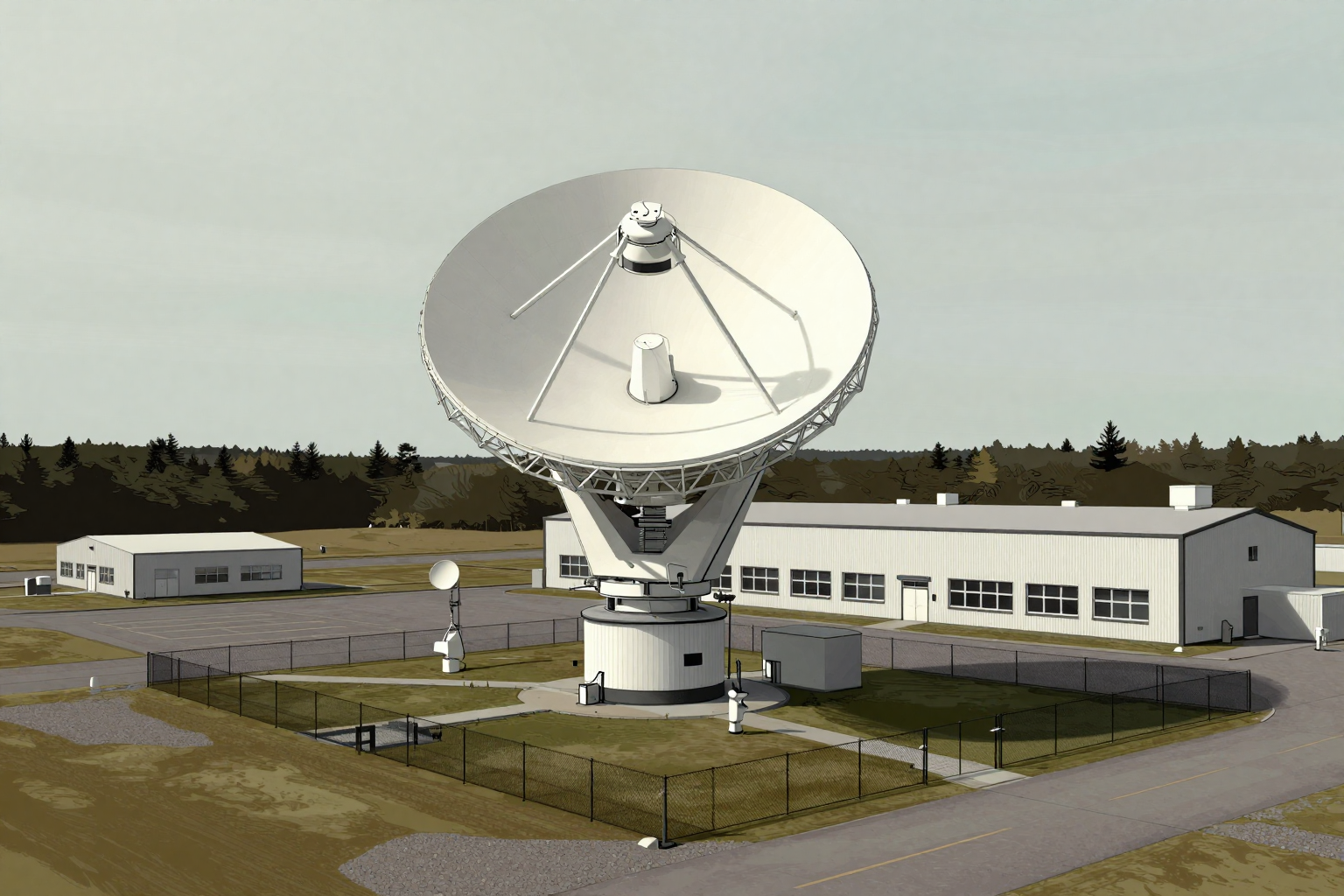
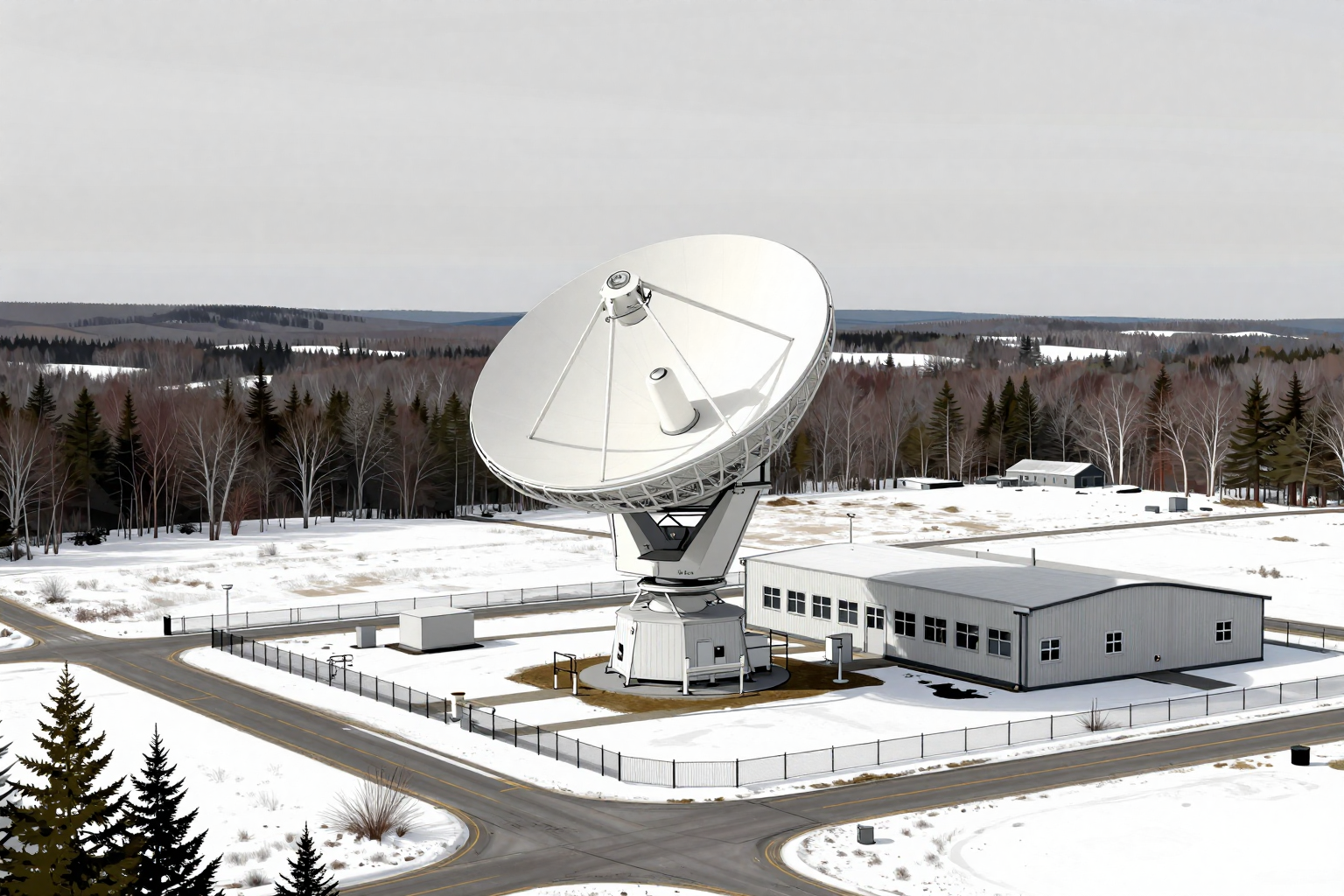
The full arc of the North Atlantic Teleport Services campaign is now playable - sixteen new scenarios taking you from your first qualified shift all the way to commanding an entire constellation through a compound emergency. All 24 scenarios are live.
This is an alpha release. The campaign is content-complete and end-to-end playable, but it’s early-rough edges, balance still being tuned, and plenty we want to hear about before we call it done. We’re putting it in front of you now precisely because your feedback shapes what gets fixed first. Come fly it, come break it, and tell us where it bites.
You’re Qualified Now
Remember the roadmap from launch day? Charlie Brooks was heading to Europe. Well-he’s gone. You earned your qualification on the night-shift solo evaluation, and the shift is yours now.
That changes everything about how these scenarios feel. The detailed, hand-holding dialog of your training days goes quiet. Dana Torres has the watch as your on-site supervisor, but she’s a resource, not a safety net. When the board lights up, nobody is going to walk you through it. You read the trend, you make the call, and you live with the result.
The scenarios split into two distinct phases that mirror a real operator’s career: learning to apply your skills under mounting pressure, then learning to command when everything goes wrong at once.
Phase 2: Qualified Operations
Eight scenarios where you execute familiar procedures under growing complexity-customer passes, planned maintenance, trend reading, and your first taste of judgment calls where the right answer isn’t on a checklist.
Your first qualified shift. Three birds to check this morning-TIDEMARK-1 from Vermont, TIDEMARK-2 from Maine, and a beacon spot-check on the newly commissioned TIDEMARK-3.
Run a multi-satellite health check with nobody looking over your shoulder.
SeaLink booked a high-throughput window on the aging, inclined-orbit AURORA-7. Switch to step-track, tighten HPA backoff, and hold margin while the customer watches the link live.
Tune a live link for a paying customer without overdriving the amplifier.
A scheduled window takes VT-01 dark for waveguide inspection. Verify Maine’s receive side, stage their transmit chain, execute the handover, and safe the station for the crew.
Unhurried, by-the-book traffic transfer-graded on cleanliness, not speed.
Bring Vermont back the clean way-antenna on target, RX validated against the beacon, TX swept for any leftovers the maintenance crew left behind, then coordinate the return from Maine.
Post-maintenance restoration, and catching the small mistakes others leave behind.
The BUC temperature is creeping up a third of a degree per minute. No alarm yet-but the slope is unambiguous. Act now, schedule a swap, switch to backup, or hold and monitor?
Read a trend and make the call before the alarm ever fires.
A rain front moves over Vermont. The customer’s SLA penalizes handovers more than a few dB of lost margin. Enable the feed heater, watch the C/N, and decide-hold or hand off.
Weather contingency judgment, where the right answer is the one the link supports.
A neighboring teleport is lighting up just 2 MHz from your carrier and wants assurance you won’t bleed into their slot. Verify the guard band, clean up your IMD products, and confirm back.
Inter-operator spectrum etiquette-being a good neighbor on the air.
Two minutes into your shift the board lights up-BUC over-temperature, LNB unlocked, HPA overdriven, all at once, none of them related. Triage in the right order while the customer is on the line.
Phase 2 capstone: RF safety first, customer impact next, equipment health last.
Phase 3: Crisis Operations
Eight scenarios that abstract upward. Now you’re managing realities you can’t control-astronomy, a sick spacecraft, weather, procurement lead times-and using evidence and trend analysis to influence outcomes at organizational scale. This is where you stop being an operator and start being an incident commander.
The semiannual sun transit puts a 20,000-kelvin noise source directly behind your satellite. The carrier will drop and nothing is broken. Notify the customer, hold the config, verify, document.
The only way to fail a sun transit is to fight one. Accept what you can’t fix.
TIDEMARK-2’s station-keeping thrusters are degraded and the published ephemeris is now wrong. You can watch the C/N bleed in real time. Switch to step-track, hold the lock, feed Halifax your track data.
Know exactly where the ground operator’s job ends and the spacecraft team’s begins.
Build a one-page quick-reference card for the AURORA-7 acquisition procedure-by flying it live and choosing which callout, formula, or warning earns a place on the card. It builds in front of you as you work.
Teaching a procedure means knowing which mistakes are waiting for the next person.
Vermont’s feed is icing and Maine just threw an HPA overdrive-same shift, one operator, Dana forty minutes out on bad roads. Start the slow recovery first, attack the dangerous fault next.
Triage two concurrent site failures-and rule on coincidence with evidence.
Intermittent broadband noise is riding the TIDEMARK-2 downlink-and it doesn’t match weather or the cross-pol neighbors. Characterize the signature, mitigate on the receive side, build the regulator package.
Discriminate deliberate jamming from an accident-and prove denial isn’t intrusion.
AURORA-7’s beacon has been fading for months and the board wants a retirement recommendation-from operations, not a spreadsheet. Run one last data pass, then build the assessment report.
Read a trend honestly and say what you know without false precision.
The antenna automation processor just crashed. Program-track, move-to-target, and step-track are all offline-the servos still work, but the brains are dead. Get into manual cleanly and prove you’re still on the bird.
Manual operations when the beacon on the spectrum is your only source of truth.
Everything at once. A storm front inbound, Maine’s BUC running hot, a marginal customer pass booked, two customers escalating, and a board note due by morning. Five tracks-three are clocks you don’t control.
Campaign finale: incident command. Every skill you’ve built, in the right order, while everyone watches.
What’s New Under the Hood
These scenarios brought more than story-they brought new mechanics that make the simulator demand the same discipline a real console does.
Observation-gated checklists. You can no longer check a box just because you know the answer. Before the simulator credits a “verify” step, you have to actually point the right instrument at the right thing-tune the spectrum analyzer to the beacon, read the trend display, look at the AGC. Procedure becomes practice.
- The Working Document engine turns several scenarios into authoring exercises. Build a quick-reference card for a new hire (S19) or a board-ready end-of-life report (S22), one decision at a time, with the document filling in as you work.
- Sun-transit modeling simulates the antenna staring into a 20,000-kelvin noise source, so you can experience an outage that is real, predicted, and completely unfixable (S17).
- Trend-driven decision scenarios reward reading a slope and acting before the alarm, instead of waiting for a red light to tell you what to do (S13, S22).
- Multi-site, multi-fault triage puts two stations and several unrelated failures in front of one operator, forcing you to sequence by safety, cost, and the clocks you don’t control (S16, S20, S24).
An Expanded Cast
With Charlie in Europe, a new ensemble carries the story across these sixteen scenarios:
- Dana Torres - your on-site supervisor. Trusts you with the hard shifts.
- Catherine Vega - your peer at the Maine station (ME-02), now a full operational partner.
- Marcus Chen - the spacecraft-side voice in Halifax, watching payload telemetry from the vehicle team’s chair.
- James Okafor - the SeaLink customer who feels every dB of margin you lose.
- Francis Martin - the board, who only calls when the decision is big.
- RedSky Teleport - a partner facility sharing your spectrum neighborhood.
What’s Next
Now in Alpha - Campaign 1: North Atlantic Teleport Services
All 24 scenarios are content-complete and playable end to end, from your first day as a trainee to commanding a constellation-wide crisis. Now we polish-with your feedback.
Up Next - Campaign 2: European Operations
Follow Charlie to NATS Europe. LEO satellite tracking, multi-contact mission planning, Doppler compensation, and Ku-band operations.
On the Horizon - Campaigns 3-5
Backyard Operator (SDRs and DIY antennas), Electronic Warfare (SATCOM denial and counter-comms), and Signal Hunter (jammer geolocation).
Free, Open Source, Accessible
SignalRange runs in your browser with no downloads and no fees. No sign-up required to try it out-just jump in and start learning. Create a free account when you’re ready to track your progress across all 24 scenarios.
The code is on GitHub under the AGPL v3 license-improvements benefit the entire community.
Help Us Shape the Final Cut
This is where you come in. An alpha is only as good as the feedback it draws, and there’s a lot we want to hear-especially the things we can’t see from the inside:
- Did a scenario confuse you? If an objective wasn’t clear, or you couldn’t tell what the simulator wanted, that’s a bug in our explanation, not your understanding.
- Did the difficulty feel right? Too punishing, too gentle, or a sudden spike-tell us where the curve broke.
- Did something feel wrong technically? If you work RF or ground stations for real and a procedure made you wince, we want to know.
- Did anything actually break? Stuck objectives, equipment that won’t respond, a link that won’t close-report it.
The fastest way to reach us is the Discord-drop into the feedback channel and tell us what you found. Reproducible bugs and concrete suggestions are also welcome as issues on GitHub.
Try the Campaign 1 Alpha Now
Sixteen new scenarios are waiting-from your first qualified morning rounds to the constellation crisis that puts everything you've learned on the line. Play it, push on it, and tell us what to fix.
Theodore Kruczek